Frederick, MD
Commercial Pest Control in Frederick, MD
Scheduled pest management for Frederick businesses — documented service visits, compliance-aware planning, and pest programs built around your facility's hours, staff, and pest pressure.
Documented Service Records
Every commercial visit produces a written service record: what was inspected, what activity was found, what was treated, what conditions were noted, and what follow-up is recommended. Useful for health inspections, insurance, and lease compliance.
Scheduled Around Your Operations
Treatment windows are set to minimize disruption. Early morning, after-hours, and weekend visits are available for businesses that cannot accommodate pest service during open hours.
Pest Monitoring Between Visits
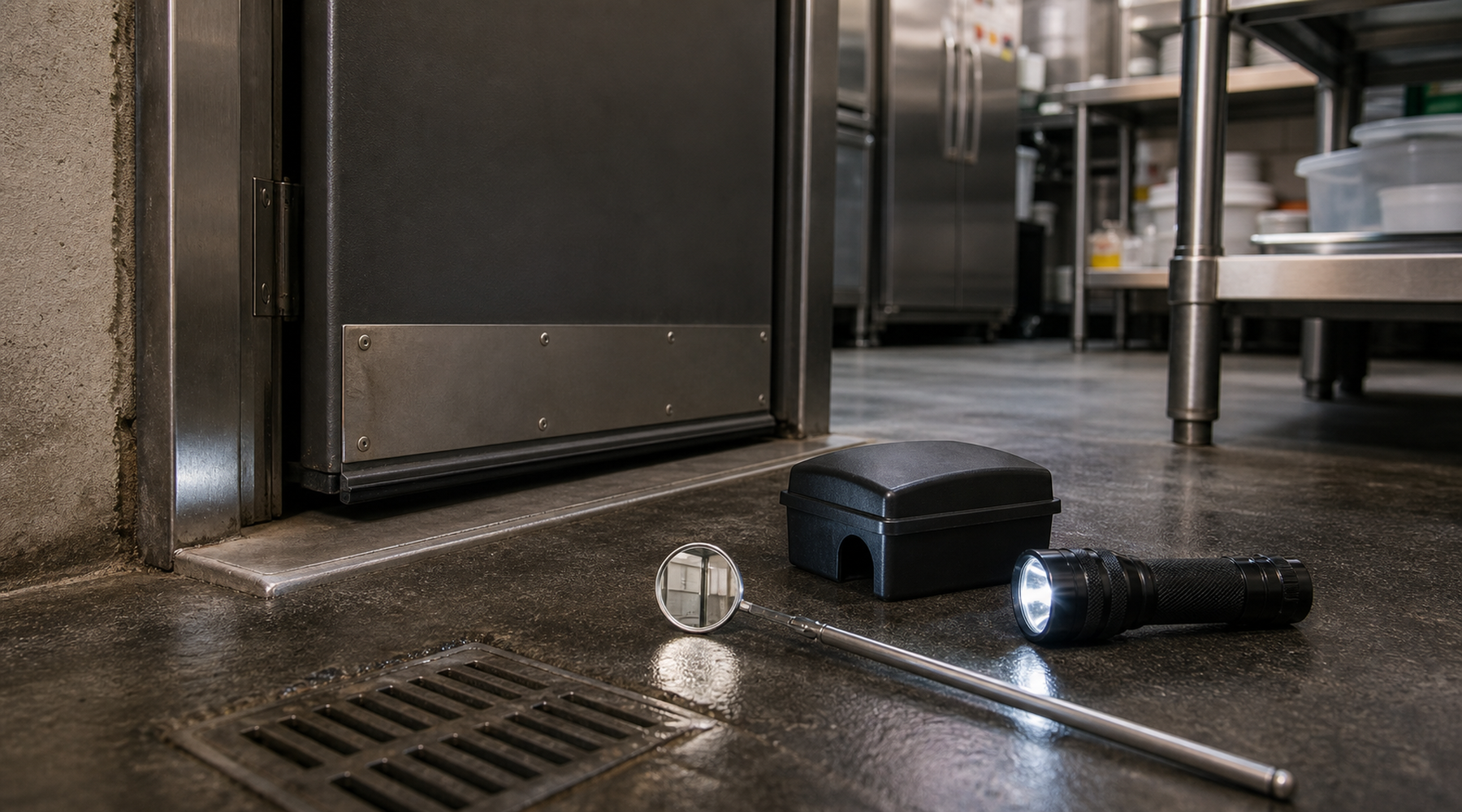
Commercial programs include pest monitoring stations and activity logs between scheduled visits so emerging issues are caught before they escalate to infestations or regulatory events.
What Commercial Pest Control in Frederick Requires
Commercial properties in Frederick face pest pressures that differ from residential situations in both scale and consequence. A mouse in a warehouse is an operational issue. A mouse in a restaurant or a retail food business is a health code violation and a reputational risk. German cockroaches in a commercial kitchen represent a food safety failure that can result in closure. Commercial pest control has to be planned and documented as a compliance function, not just a reactive service call.
IPM in Commercial Environments: The Standard That Reduces Risk
Integrated Pest Management in a commercial setting is not optional for regulated industries — it is the framework that health inspectors, food safety auditors, and liability insurers recognize as the appropriate standard of care. IPM means you can demonstrate that you inspected for pest conditions, identified what was found, treated with appropriate methods, and documented the results. That paper trail is the difference between a clean inspection and a corrective action notice.
For Frederick commercial properties not in regulated industries, IPM still produces better results at lower total chemical exposure — which matters for staff, customers, and any adjacent food-handling or sensitive-occupancy areas. We build commercial programs around your facility type, your pest history, and the access constraints your business operates under.
Commercial Pest Types in Frederick
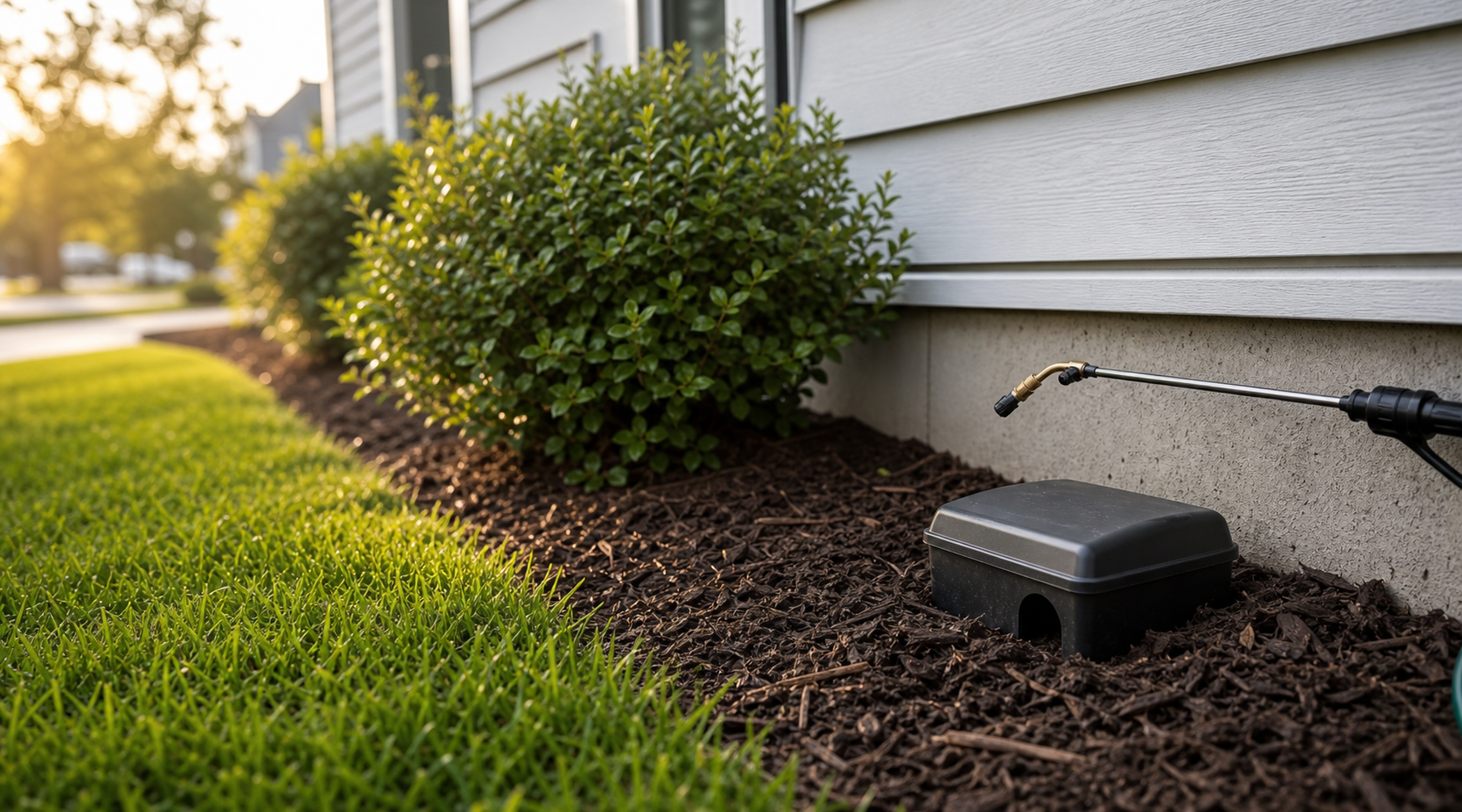
The most common commercial pest events in Frederick facilities are German cockroach infestations in food-handling and break room environments, Norway rat and house mouse activity along loading dock and foundation perimeters, stinging insect nests near exterior doors and HVAC units, and ant trailing from exterior landscaping through utility chases into interior food areas. Each requires a different response timed to the pest's biology and the facility's operational constraints.
Service Frequency for Commercial Properties
Visit frequency depends on pest risk and facility type. Food-handling facilities typically need monthly service with pest monitoring station checks in between. Office buildings and retail with minimal food storage may be adequately served on a quarterly schedule. Warehouses with active loading dock activity often need bi-monthly service because exterior pressure from rodents is continuous. We set frequency after seeing the facility — not before.
How Commercial Pest Control Is Structured
Facility Assessment
Walk-through of the facility to document pest activity, entry points, harborage, and conditions that contribute to pest pressure. Includes loading dock, mechanical rooms, break room, and all food-adjacent areas.
Program Design
Service frequency, treatment zones, monitoring station placement, and documentation protocol are defined based on facility type, pest risk, and any regulatory requirements.
Scheduled Service
Visits are scheduled around your operating hours. Each visit includes inspection, treatment, monitoring station check, and written service record.
Review and Adjust
Pest activity trends are reviewed quarterly. Service frequency or treatment zones are adjusted if pressure changes, new pest species appear, or facility conditions change.
Schedule Commercial Pest Control for Your Frederick Business
Call (240) 555-0157 or contact us online. We offer facility assessments before any program commitment so you know exactly what is being proposed and why.
Request a Commercial AssessmentCommercial Pest Control Questions
Do you provide documentation suitable for health inspections?
Yes. Every commercial service visit produces a written service record that includes the date and time of service, areas inspected, pest activity found, treatments applied, products used, and recommendations for follow-up or corrective actions. This documentation is formatted to support health department inspections, food safety audits, and internal compliance records. If your inspector or auditor has a specific format requirement, let us know when we design the program.
Can you service our facility during off-hours?
Yes. Early morning, late evening, and weekend scheduling is available for Frederick commercial properties that cannot accommodate pest service during normal business hours. This is standard for restaurants, food-handling facilities, and any business where staff or customer presence during treatment is a concern. Scheduling constraints are discussed during the initial facility assessment.
What commercial pest types are you most commonly called for in Frederick?
The most frequent commercial pest events in Frederick are German cockroach infestations in restaurant and food-service environments, Norway rat and house mouse activity along loading dock perimeters, stinging insect nests at exterior building entries, and ant trailing from exterior mulch and landscaping into break rooms and kitchens. Occasional bed bug situations in hospitality properties and fly management in food-handling facilities are also common. Each is handled with species-specific IPM methods rather than a uniform spray program.
Related Services
Restaurant Pest Control
Food-service specific pest management for Frederick restaurants — health inspection ready documentation and scheduled service.
Rat Control
Norway rat control for Frederick commercial properties — exterior bait stations and foundation entry-point documentation.
Cockroach Control
German cockroach elimination using IPM gel bait for Frederick commercial kitchens and food-handling environments.